What Is Professional Air Fogging and How Does It Disinfect a Home or Office?
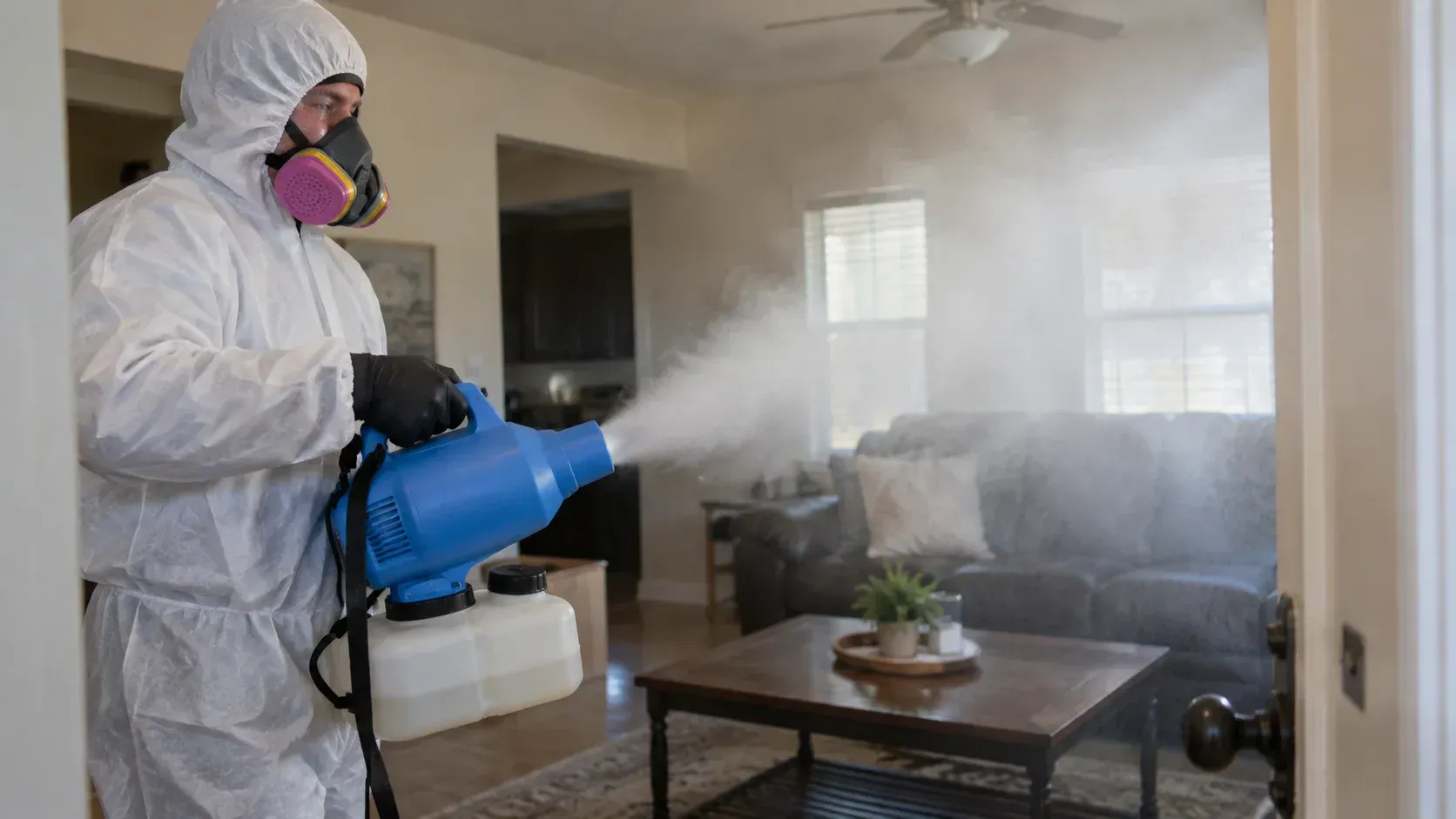
Table of Contents
- Introduction
- What Is Professional Air Fogging
- How Air Fogging Disinfection Works
- Types of Air Fogging Services
- Situations When Air Fogging Is Necessary
- Professional Air Fogging vs. DIY Solutions
- What to Expect During Treatment
- Conclusion
- Frequently Asked Questions
Key Takeaways
- Professional air fogging is a disinfection method that disperses a fine mist of EPA-approved antimicrobial solution throughout your space, reaching areas that standard cleaning cannot access.
- The fogging process works by converting liquid disinfectant into tiny aerosol particles that remain suspended in air long enough to contact pathogens, bacteria, viruses, and mold spores on surfaces and in the air.
- Air fogging is most valuable after water damage or mold contamination, following illness outbreaks, or for comprehensive disinfection of complex spaces like offices, warehouses, or multi-room homes.
- Professional air fogging differs significantly from DIY approaches because certified technicians use proper equipment, EPA-approved chemicals, correct dosing, and verification methods that DIY solutions cannot replicate.
- MJ Enterprises provides professional air fogging services in Lawton that reach every corner of your space, providing documented disinfection for health, safety, and peace of mind.
Introduction
Professional air fogging is a disinfection method that uses specialized equipment to convert antimicrobial solution into a fine mist that disperses throughout your home or office, eliminating airborne pathogens, bacteria, viruses, and mold spores. Unlike traditional cleaning that only covers surfaces you can see and reach, our air fogging services treat the entire air space and penetrate into cracks, crevices, and hard-to-access areas where contamination can hide.
The process involves using a fogging machine (also called an electrostatic sprayer or cold fogger) to break down disinfectant liquid into particles small enough to remain suspended in air and reach otherwise inaccessible areas. When you're dealing with widespread contamination, post-water-damage restoration, or need comprehensive disinfection after illness or before reopening a business, air fogging provides coverage that standard cleaning cannot achieve.
This guide explains what professional air fogging is, how the disinfection process works, when it's necessary, and why professional treatment differs from DIY attempts.
What Is Professional Air Fogging
Definition and Basic Concept
Professional air fogging is a disinfection method that uses a fogging machine to disperse antimicrobial solution into a fine mist throughout your space. The machine converts liquid disinfectant into aerosol particles typically 5 to 100 microns in size, which remain suspended in the air long enough to contact surfaces, pathogens, and airborne contaminants throughout the treated area.
The primary difference between air fogging and traditional surface cleaning is coverage. Standard cleaning reaches what you can see and touch. Air fogging reaches the entire air space, including spaces behind furniture, inside ventilation ducts, and within wall cavities where pathogens can survive.
Equipment Used in Professional Fogging
Professional air fogging uses specialized equipment that DIY methods cannot replicate. There are two main types:
Electrostatic Sprayers: These devices charge disinfectant particles with an electrical charge, causing them to cling to surfaces and wrap around contaminants more effectively. This creates better coverage with less chemical waste.
Cold Foggers: Also called ultra-low-volume (ULV) sprayers, these machines use air pressure to atomize liquid disinfectant into extremely fine particles that create a visible fog. The fog disperses throughout the space, reaching high ceilings and corners that standard sprays cannot access.
Professional equipment differs from consumer-grade sprayers in precision, chemical dosing accuracy, and the ability to achieve consistent particle size distribution that ensures thorough disinfection.
EPA-Approved Disinfectants
Professional air fogging uses EPA-approved disinfectants specifically formulated for fogging applications.
These products differ from household cleaners in several important ways:
They have documented efficacy against specific pathogens (including viruses, bacteria, and fungi). EPA approval means the chemical has been tested and verified to work as claimed. The disinfectants are formulated to remain effective when dispersed as an aerosol, which requires different chemistry than surface-applied products.
Professional technicians select disinfectants appropriate for your specific situation: dealing with general bacteria and viruses requires different products than treating mold or addressing post-contamination scenarios.
How Air Fogging Disinfection Works
The Fogging Process
Professional air fogging involves several stages. First, the technician prepares the space by removing or covering items that shouldn't contact fogging solution, closing windows and doors to contain the mist, and adjusting heating and cooling systems as needed.
The technician then fills the fogging machine with EPA-approved disinfectant and sets the equipment to produce the appropriate particle size and dispersal rate. As the machine operates, it creates a visible fog that fills the space from top to bottom and front to back.
The fogging solution remains suspended in the air for a set contact time (typically 15 to 30 minutes depending on the disinfectant). During this time, the fine mist contacts surfaces, settles onto contaminated areas, and kills pathogens on contact. After the contact period, the space is ventilated to clear the fog, and treated surfaces are left clean and disinfected.
Chemical Contact and Pathogen Elimination
The disinfection happens through chemical contact. The fogging solution contains active ingredients that disrupt pathogen cell walls and prevent replication. Because the solution is dispersed as fine particles suspended throughout the air, it makes contact with pathogens in the air itself (which traditional surface cleaning cannot do) and on all surfaces the fog reaches.
Viruses die when exposed to the disinfectant chemical. Bacteria are eliminated through the same mechanism. Mold spores are killed before they can settle and begin growing. The key is adequate contact time and complete coverage, which professional equipment ensures.
Particle Size and Distribution
The effectiveness of air fogging depends partly on particle size. Particles that are too large fall quickly and create uneven coverage. Particles that are too small may not remain in contact with surfaces long enough for disinfection. Professional equipment produces particles in the optimal size range and maintains proper dispersal so coverage is thorough and consistent.
This is why DIY solutions often fail: consumer-grade sprayers cannot achieve the precise particle size and distribution that professional equipment produces. The result is uneven disinfection and areas that remain contaminated despite the fogging attempt.
Types of Air Fogging Services
General Disinfection Fogging
General disinfection fogging treats an entire space for bacteria, viruses, and other pathogens. This is appropriate for offices after someone in the building was ill, homes after family members had contagious illness, or any situation where you want comprehensive disinfection beyond what standard cleaning provides.
This typically uses broad-spectrum disinfectants effective against common pathogens. The process takes 1 to 3 hours depending on space size and complexity.
Mold and Moisture Remediation Fogging
When mold contamination is present, fogging is often part of comprehensive remediation. The fogging disinfectant kills mold spores that standard surface cleaning might miss, reaching into insulation, behind walls, and within ventilation systems where mold can hide.
Mold fogging often follows water removal and drying to ensure complete elimination before areas are sealed or rebuilt.
Post-Restoration and Post-Remediation Fogging
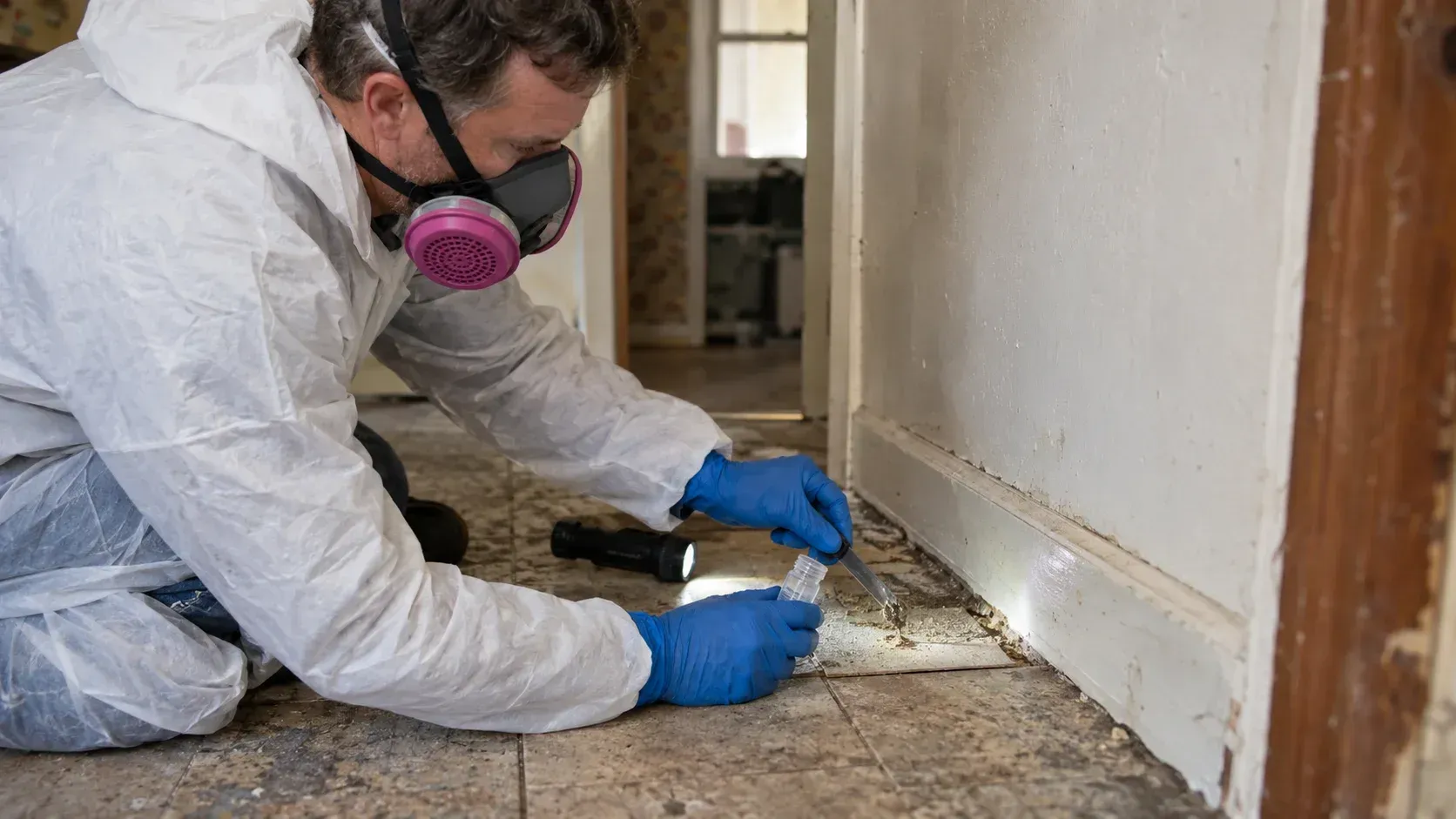
After remediation work (mold removal, water damage restoration, crime scene cleanup, or pest treatment), air fogging ensures that any residual contamination is eliminated before the space is reoccupied.
This provides documentation that disinfection has been completed to professional standards, which is valuable for insurance purposes, liability protection, and occupant confidence. Our comprehensive infection control and fogging services include this final disinfection step to verify your space is safe for reoccupancy.
Commercial and Facility Fogging
Offices, warehouses, schools, medical facilities, and other commercial spaces benefit from regular or periodic air fogging. This keeps the environment hygienic and helps prevent the spread of illness among occupants.
Commercial fogging can be scheduled during non-business hours and customized for different areas based on use and contamination risk. We service businesses throughout Lawton and the surrounding service area with tailored commercial disinfection solutions.
Situations When Air Fogging Is Necessary
When Air Fogging Makes Sense
Air fogging is most valuable when contamination is widespread, when contamination reaches inaccessible areas, or when you need comprehensive disinfection beyond what standard cleaning can provide. Specific situations include:
After family illness (particularly contagious viruses like flu or cold), to reduce the chance of reinfection or spread to other household members. After water damage and mold growth, as part of comprehensive remediation. Before reopening a commercial space after closure or outbreak. After pest infestation treatment, to disinfect and eliminate pathogens associated with pests. In commercial settings regularly, to maintain a hygienic environment. Following any event where contamination is likely or exposure risk exists.
Illness and Outbreak Situations
If someone in your household had a serious contagious illness (flu, COVID, norovirus), air fogging eliminates remaining viral particles that standard cleaning might miss. This is particularly valuable if elderly, immunocompromised, or very young residents are in the home.
For offices where illness has occurred, air fogging provides assurance to other occupants that the space has been comprehensively disinfected.
Water Damage and Mold Scenarios
When water damage leads to mold growth, the mold releases spores that can spread throughout the entire structure. Fogging kills these spores, preventing new mold growth in areas that were contaminated but not visibly affected.
Mold fogging is typically part of professional mold remediation, not a standalone service, because it works best after physical mold removal and thorough drying. If you suspect mold in your Lawton property, our mold testing and removal services can assess the situation and recommend appropriate treatment.
Post-Remediation Verification
After any remediation work (mold removal, water damage restoration, pest treatment), air fogging provides a final disinfection step and creates documentation that comprehensive disinfection has been completed.
This documentation is valuable for insurance purposes, liability protection, and confirming to occupants that the space is safe for reoccupancy.
Commercial and High-Traffic Scenarios
Offices, schools, warehouses, and retail spaces with regular occupancy benefit from periodic air fogging because they accumulate pathogens and bacteria from multiple occupants. Regular fogging maintains a more hygienic environment.
Professional Air Fogging vs. DIY Solutions
Why Professional Treatment Is Different
Many homeowners are tempted to try DIY air fogging using consumer-grade equipment and over-the-counter disinfectants. This approach has significant limitations that professional treatment overcomes.
Equipment Quality: Professional fogging machines produce precisely controlled particle sizes that maximize coverage and contact time. Consumer sprayers cannot achieve this precision, resulting in uneven dispersal and missed areas.
Chemical Selection and Dosing: Professional technicians select EPA-approved disinfectants formulated for fogging applications and dose them correctly for your space size. Incorrect dosing reduces effectiveness or creates safety issues. Over-the-counter products often aren't formulated for fogging and don't work properly when dispersed as aerosol.
Safety and Containment: Professional treatment includes proper containment to prevent fogging solution from drifting into adjacent spaces. Professionals follow safety protocols for ventilation and re-entry timing. DIY attempts often lack these safeguards.
Verification and Documentation: Professional treatment includes verification that disinfection was successful (often through ATP testing or visual confirmation) and provides documentation suitable for liability protection or insurance purposes. DIY attempts cannot verify success.
Knowledge of Pathogens: Professionals understand which disinfectants are most effective for specific pathogens and which situations require different treatment approaches. This expertise is difficult for homeowners to replicate.
Common DIY Mistakes
Homeowners using consumer-grade equipment often create fog that is too coarse, resulting in large droplets that fall quickly instead of remaining suspended. This leaves upper areas and corners untreated.
Using household disinfectant sprays (designed for surface application) instead of fogging-specific products means the chemical doesn't work properly in aerosol form and may not be effective against the target pathogens.
Incorrect dosing (either too little or too much) reduces effectiveness or creates safety concerns. Inadequate ventilation or improper re-entry timing can expose occupants to chemical residue.
These mistakes mean DIY fogging creates a false sense of security that the space is disinfected when actually significant areas remain contaminated.
What to Expect During Treatment
Pre-Treatment Preparation
Before professional air fogging begins, the technician will discuss your specific situation and concerns. They'll ask about the space (size, layout, number of rooms), the type of contamination or situation requiring fogging, and any health sensitivities in the household.
You'll be instructed to remove or cover personal items, open shelves, and anything that shouldn't contact fogging solution. Pets should be removed from the space. The technician will close windows and doors and adjust ventilation as needed.
The entire preparation process typically takes 15 to 30 minutes.
During Treatment
Once preparation is complete, the technician will fill the fogging machine with disinfectant and begin the fogging process. The machine produces a visible fog that disperses throughout the treated space.
You and your family should remain outside during fogging and the contact time (typically 15 to 30 minutes after fogging ends). This ensures you're not exposed to the aerosol mist.
The fogging machine operates continuously until the entire space is filled with fog. This usually takes 30 to 60 minutes depending on space size and complexity.
Post-Treatment Process
After the contact time has elapsed, the technician will ventilate the space by opening windows and doors and running ventilation systems. This clears the visible fog from the air.
Most spaces are safe for re-entry within 1 to 2 hours after fogging begins (following the contact period and ventilation). The technician will advise when it's safe to return based on the specific disinfectant used.
After re-entry, surfaces may feel slightly wet or have residue. Wiping surfaces or allowing them to air-dry completes the process. Some disinfectants leave a protective residue that continues working for several hours.
The entire process from start to re-entry typically takes 2 to 4 hours depending on space size and type of fogging.
Why Professional Treatment Matters
Reach and Coverage
Professional fogging reaches every corner, crevice, and accessible space in your property. The fog distributes through the air and settles on all surfaces the air can reach. Standard cleaning cannot achieve this coverage, particularly in homes with complex layouts, many rooms, or areas where contamination has dispersed.
This comprehensive coverage is why professional fogging is standard in mold remediation and post-water-damage restoration: it's the only method that ensures complete disinfection of widespread contamination.
Certified Technicians and Expertise
Professional fogging technicians have training in equipment operation, chemical safety, dosing calculations, and pathogen elimination. They understand which disinfectants work best for different contamination types and how to properly prepare and execute fogging for specific situations.
This expertise prevents mistakes that DIY attempts often make, such as using incorrect chemicals, improper dosing, or inadequate contact time.
Documentation and Liability Protection
Professional fogging provides documentation that comprehensive disinfection has been completed. This documentation can be valuable for liability protection, insurance purposes, or confirming to occupants that the space is safe.
If questions arise later about whether proper disinfection occurred, professional documentation provides evidence that comprehensive treatment was performed.
Guaranteed Effectiveness
Professional treatment comes with the knowledge that fogging has been performed correctly using proper equipment, appropriate disinfectants, and verified techniques. The space has been comprehensively treated by someone with expertise in disinfection.
This certainty is valuable when dealing with serious contamination or when comprehensive disinfection is essential for safety or liability reasons. When you need this level of assurance, request a quote from our certified team and we'll explain exactly how we'll address your situation.
Conclusion
Professional air fogging is a disinfection method that uses specialized equipment to disperse EPA-approved antimicrobial solution throughout your space, reaching contamination that standard cleaning cannot access. The process works by converting liquid disinfectant into fine aerosol particles that remain suspended in air long enough to eliminate pathogens, bacteria, viruses, and mold spores.
Air fogging is most appropriate when dealing with widespread contamination, contamination in inaccessible areas, post-water-damage or mold situations, or any scenario where comprehensive disinfection beyond standard cleaning is necessary. Professional treatment differs significantly from DIY attempts in equipment precision, chemical selection, safety protocols, and verification methods.
The process takes 2 to 4 hours from start to re-entry, includes proper preparation and containment, and provides documentation of comprehensive disinfection. When performed by trained professionals using EPA-approved chemicals, air fogging is a safe and effective method for complete space disinfection.
For Lawton homeowners or business owners dealing with contamination situations or needing comprehensive disinfection, professional air fogging provides coverage and certainty that DIY solutions cannot replicate.
Getting Professional Air Fogging for Your Lawton Property
If your home or office needs comprehensive disinfection, professional air fogging reaches every area and eliminates contamination that standard cleaning cannot address. Whether you're dealing with post-illness scenarios, water damage with mold growth, or simply need complete disinfection of your space, professional treatment provides the coverage and expertise you need.
MJ Enterprises handles air fogging for Lawton homes and businesses. We'll discuss your situation, explain whether fogging is appropriate, walk through what's involved, and provide transparent pricing. Our technicians are trained in proper safety protocols, chemical handling, and disinfection verification.
Ready to discuss your fogging needs? You can
contact us online to ask questions or request information about our air fogging services.
Frequently Asked Questions
How long does air fogging treatment take?
The entire process takes approximately 2 to 4 hours from preparation through re-entry. Fogging itself (the dispersal of disinfectant) typically takes 30 to 60 minutes depending on space size. After fogging ends, there is a contact period (15 to 30 minutes during which the disinfectant works on pathogens) followed by ventilation and re-entry. You should plan to be away from the property for at least 2 to 4 hours.
Is professional air fogging safe for homes with children?
Yes, when performed by trained professionals using EPA-approved disinfectants. Children should not be present during fogging or the immediate contact period (typically 1 to 2 hours). After proper ventilation and re-entry, the space is safe for occupancy. If your children have respiratory sensitivities, notify the technician beforehand so appropriate precautions can be taken.
Can I stay in my home during air fogging?
No, occupants should not be present during fogging or the immediate contact period. You should plan to be away from the property during treatment and for 1 to 2 hours after fogging ends. This ensures you're not exposed to the aerosol mist and allows the disinfectant to work effectively on contamination without any safety concerns.
Will air fogging damage my furniture or electronics?
When surfaces are properly protected before fogging and professional disinfectants are used as directed, there is no damage to furniture or electronics. The fogging solution is tested on standard materials and is safe when used properly. If you're particularly concerned about specific items, the technician can cover them before fogging begins.
How often should my home or office be air fogged?
A single fogging treatment eliminates contamination present at that time but doesn't provide permanent protection against future contamination. Most situations require fogging once (post-illness, post-water-damage, post-remediation). High-traffic commercial spaces might benefit from periodic fogging, but this is situational and depends on your specific needs and occupant exposure risk.